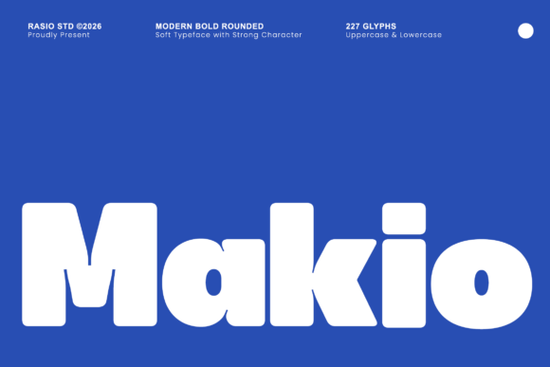
If you're looking for a bold, friendly sans-serif font that holds its own on packaging, posters, or digital interfaces without feeling cold or overly technical you’ll want to try Makio Font. It’s not just heavy; it’s thoughtfully rounded, with pillowed corners and tight letter junctions that give it warmth and cohesion. Designers and small business owners especially appreciate how it balances presence and approachability something many bold display fonts struggle with.
What makes Makio different from other bold sans-serifs?
Most heavy display fonts lean into sharp geometry or industrial minimalism. Makio takes a softer route: thick vertical strokes, generous x-height, and smooth transitions between letters create a solid yet inviting rhythm. It’s the kind of typeface that reads clearly at a glance even on a phone screen or a t-shirt tag but still feels intentional and crafted.
Compare it to something like Metha Font, which leans more toward clean, neutral modernism. Makio has more personality it’s confident without being aggressive, playful without sacrificing legibility. That’s why it works so well for streetwear labels, food branding, and app UI headlines where tone matters as much as visibility.
Where does Makio work best in real projects?
You’ll see strong results when using Makio where impact and clarity matter most:
- Packaging for food & beverage brands its rounded weight gives organic, handmade vibes even on sleek, modern designs
- Social media graphics especially Instagram carousels or Reels thumbnails where fast scannability is key
- App interface headers or call-to-action buttons the clean perimeter line helps it sit cleanly over photos or gradients
- Retro-futuristic posters or merch designs pairs naturally with 80s-inspired color palettes and subtle glitch effects
- Print-on-demand product mockups from mugs to tote bags, it scales well and avoids pixelation at common print sizes
How to pair Makio with other fonts
Makio shines as a headline or logo font not for long paragraphs. For body text or supporting copy, choose something with contrast but shared warmth. A slightly lighter, open sans-serif (like Makio Font’s sibling styles, if available) or a relaxed humanist sans works beautifully. Avoid pairing it with overly decorative or condensed fonts they compete instead of complement.
If you’re building a full brand system, consider starting with Makio for your logo and primary headlines, then layering in a versatile secondary font like Metha Font for subheads or captions. That combo gives you visual hierarchy without clashing energy.
Practical tips for using Makio effectively
Because it’s a display font, spacing matters more than usual. Try these adjustments in your design software:
- Use slightly tighter-than-default letter-spacing for all-caps usage it prevents the rounded shapes from feeling too spaced out
- Invert the color contrast when placing over busy backgrounds (e.g., white Makio on a textured photo)
- Avoid stretching or skewing the font it’s carefully balanced as-is, and distortion breaks its soft geometry
- For laser-cut vinyl or embroidery files, check that inner counters (like inside the “o” or “e”) are large enough for your production method’s minimum cut width
Who’s already using fonts like Makio?
You’ll spot this style in branding for indie coffee roasters, boutique fitness studios, and tech startups focused on accessibility and user-first design. It’s less about “looking futuristic” and more about communicating reliability and friendliness at a glance. That’s why crafters selling on Etsy or designers helping local cafes with rebranding often reach for Makio Font early in their process it solves multiple needs at once: readability, tone, and visual consistency.
If you’re evaluating fonts for an upcoming project, download a test version first. Try setting your top three headlines, then step back: does it feel instantly readable? Does it match the mood you’re aiming for not just “bold,” but who is speaking through that boldness? With Makio, that voice tends to be grounded, upbeat, and quietly confident.
Before you add Makio to your next layout: test it at the smallest size you’ll actually use (e.g., 24pt on a mobile banner), check contrast against your background color, and make sure kerning looks even across your key words especially if your brand name has repeating letters like “book” or “coffee.”
Try It Free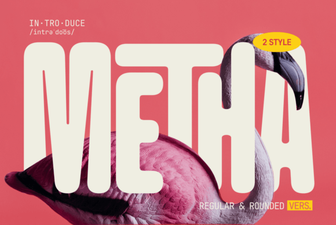 Metha Font: Creative Design Ideas for Modern Projects
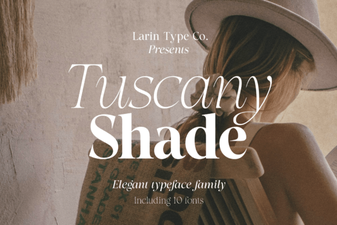 Creative Design Projects with Tuscany Shade Font
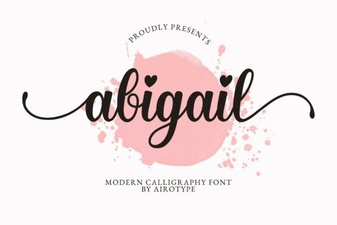 The Abigail Font: Elegant Typography for Modern Design
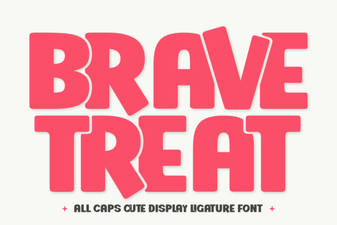 Brave Treat Font: Creative Typeface Design & Inspiration
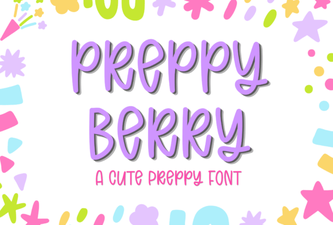 Preppy Berry Font for Web Projects & Design
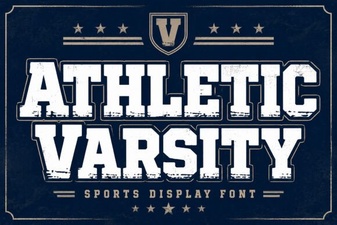 Varsity Font Designs & Creative Sports Lettering