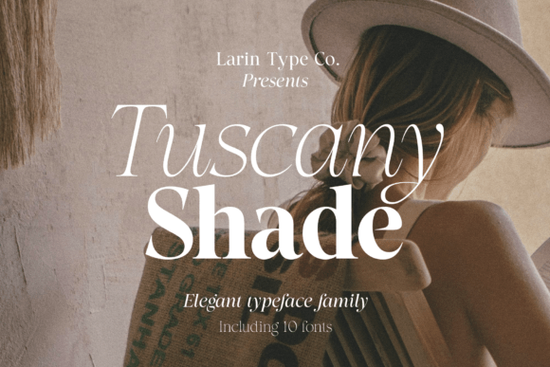
If you're looking for a serif font that feels both timeless and quietly modern something that works just as well on a boutique clothing tag as it does on a magazine cover Tuscany Shade Font is worth your attention. It’s not flashy or overly decorative, but it carries quiet confidence: high contrast, clean lines, and subtle elegance built into every weight and italic angle. Designed with real-world use in mind, it’s the kind of typeface you reach for when you want readability and refinement without needing to overthink pairing or hierarchy.
What makes Tuscany Shade different from other serif fonts?
Most serif fonts fall into one of two camps: either very traditional (like classic book text faces) or very stylized (with dramatic swashes or exaggerated serifs). Tuscany Shade sits comfortably in the middle. Its five weights from Extra Light to Bold give you precise control over visual emphasis, while the true Italic (not just slanted roman) adds genuine typographic depth. Unlike many “fashion fonts” that sacrifice legibility for flair, this one stays clear at small sizes and holds its own in large display settings.
You’ll notice the contrast between thick and thin strokes is pronounced but never harsh. That’s what gives it presence without strain ideal for headlines, product names, or short-form copy where tone matters. And because it’s a full family (not just a single style), you can build consistent branding across packaging, social graphics, and printed materials without switching fonts or compromising cohesion.
Where does it work best?
This isn’t a one-trick font. Designers and small business owners tell us they use Tuscany Shade for:
- Fashion brand logos and lookbook typography
- Book covers and editorial layouts (especially lifestyle, memoir, or design-focused titles)
- Print-on-demand greeting cards and art prints
- Minimalist packaging think apothecary labels, coffee bags, or artisanal soap wraps
- Digital ads and Instagram story text overlays where clarity and calm sophistication matter
It pairs naturally with neutral sans-serifs like Inter or Poppins for body text, or stands alone beautifully in all-caps headings. One designer recently used it for a small-batch candle line pairing the Bold weight for scent names with the Light Italic for ingredient notes and said customers consistently commented on how “thoughtful” the packaging felt.
How does it compare to similar serif fonts on Creative Fabrica?
If you’ve already explored options like Kaviera Font, you’ll recognize its warm, humanist structure but Tuscany Shade leans more structured and refined, with tighter spacing and sharper contrast. For something bolder and more contemporary, The Lancher Shine Font offers a slightly more expressive rhythm, while Tuscany Shade keeps things grounded and versatile.
All three are solid choices depending on your project’s voice but if you need reliability across formats, strong licensing for commercial use (including POD), and subtle distinction without shouting, Tuscany Shade often becomes the go-to. You can also find the original Tuscany Shade Font on Creative Fabrica for download.
Practical tips before you download
Before installing or using Tuscany Shade Font, keep these in mind:
- Test spacing first. Its tight default tracking works beautifully in headlines, but may need slight loosening in longer paragraphs or all-caps settings.
- Use the Italic intentionally. Since it’s a true italic not oblique it has distinct letterforms (like the lowercase a and f). Reserve it for emphasis, not just variety.
- Check your license. The standard license covers personal and commercial use, including unlimited end products but always verify if you’re planning extended use like app integration or resale as a font kit.
- Pair wisely. Avoid other high-contrast serifs in the same layout. Let Tuscany Shade lead; support it with a simple, open sans-serif for balance.
If you're building a brand identity, designing for print, or curating fonts for client work, Tuscany Shade Font is a thoughtful, low-risk addition to your toolkit one that grows more useful the more you use it. Try it next time you need a serif that feels familiar but never forgettable.
Next step: Open your design file, install the font, and test the Regular and Bold weights side-by-side on a mockup like a simple product label or Instagram post. Notice how much tone shifts with weight alone. That’s when you’ll know it fits.
Explore Design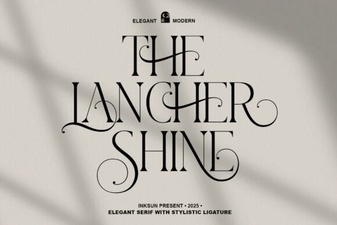 The Lancher Shine Font: Design Value & Creative Uses
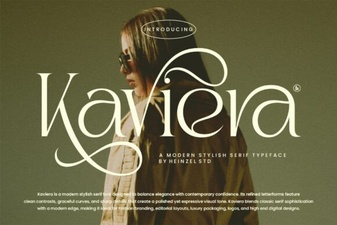 Kaviera Font: a Modern Display Typeface
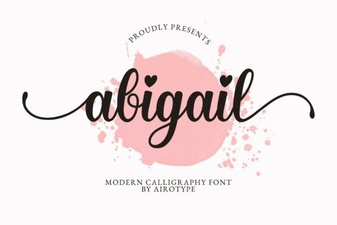 The Abigail Font: Elegant Typography for Modern Design
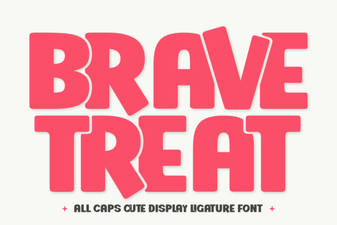 Brave Treat Font: Creative Typeface Design & Inspiration
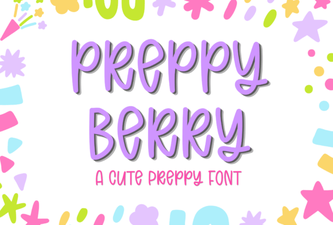 Preppy Berry Font for Web Projects & Design
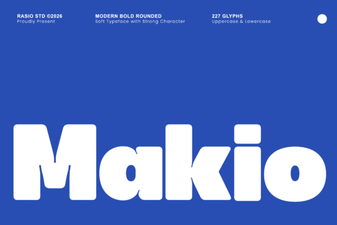 Makio Font: Modern Design for Creative Projects