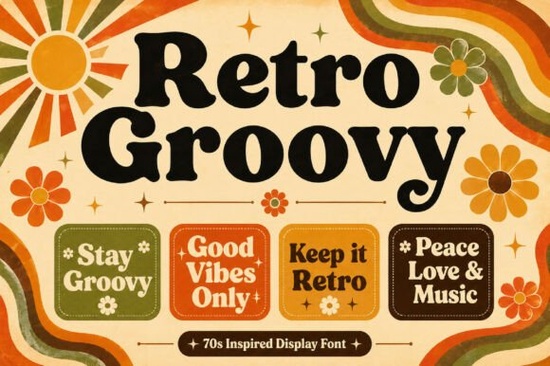
If you're looking for a bold, friendly retro font that feels warm and authentic not cartoonish or overly distressed Retro Groovy Font fits right in. It’s designed with soft curves, balanced weight, and relaxed letterforms that echo mid-century signage, album sleeves, and vintage posters without leaning too hard into cliché. Whether you’re designing a small-batch t-shirt line, updating your café’s seasonal menu board, or building a cohesive brand identity for a new craft business, this display font adds personality without sacrificing readability.
What kind of projects does Retro Groovy work best for?
This isn’t a font for body text or fine print it shines where impact matters. Think: logos, posters, packaging labels, social media banners, and apparel graphics. Its generous x-height and open counters keep letters legible even at smaller sizes on fabric or product tags. Because it’s a single-weight display font (no italics or alternates), it works best when paired with a clean, neutral sans-serif for supporting text like pairing a bold coffee bag label with a simple sans for ingredients and origin info.
It’s especially handy if you’re building a themed collection say, a summer-themed POD shop with tie-dye tees and vinyl-style stickers. Retro Groovy gives cohesion across formats while still feeling handmade and human. You’ll notice it doesn’t rely on heavy distortion or artificial grunge; instead, its charm comes from subtle rhythm and warmth like handwriting drawn with a thick marker on kraft paper.
How does it compare to other retro-inspired fonts on Creative Fabrica?
Retro Groovy sits comfortably between playful and polished. It’s less ornate than Christmas Radiance Font, which leans festive and decorative, and less athletic or structured than Athletic Varsity Font, which suits sporty or collegiate branding. If you love the vibe but want something with more texture, Distressed Creative Font adds intentional wear and grit great for vintage market stalls or indie record labels. For softer, more romantic themes, Heart Font brings gentle curves and delicate flair, while Stay Lucky Font offers a bolder, luck-themed alternative with lucky symbols built in.
None of these replace Retro Groovy they complement it. You might use Retro Groovy for your main logo and Stay Lucky Font for limited-edition event posters, or pair it with Distressed Creative Font for layered textures in a festival banner.
Who’s using fonts like this and why?
We see small creative businesses using fonts like Retro Groovy to build recognisable, approachable brands especially in niches like handmade soaps, local bakeries, vinyl record shops, and boutique gift stores. Crafters printing greeting cards or enamel pins often choose it for short, punchy phrases (“Good Vibes Only”, “Made With Love”, “Summer ’74”). Print-on-demand sellers tell us it converts well on products where mood matters more than minimalism: think tote bags, mugs, and wall art aimed at nostalgic millennials and Gen X buyers.
Designers also appreciate that it’s straightforward to use no learning curve, no complex OpenType features to manage. It installs like any standard .OTF or .TTF file and works in Canva, Adobe apps, Cricut Design Space, and Silhouette Studio. Just type, adjust spacing if needed (it includes decent default kerning), and go.
Where can you preview or test it before buying?
Creative Fabrica lets you preview Retro Groovy Font live in your browser type your own words, try different sizes, and see how it renders on light and dark backgrounds. You’ll get both OTF and TTF versions plus a PDF guide with usage tips and suggested pairings. Licenses cover personal and commercial use, including unlimited sales of physical items (like printed posters or embroidered patches) and up to 50,000 digital impressions (e.g., social posts or email headers).
It’s not a full family so if you need matching headers, subheads, and captions, plan to pair it thoughtfully. A light or medium-weight geometric sans (like Montserrat Light or Poppins Regular) usually balances its energy without competing.
Quick-start checklist before downloading
- Check your software compatibility most modern design tools support OTF/TTF, but older versions of some cutting-machine software may require TTF only.
- Preview your intended phrase especially if it contains uncommon characters (like ampersands or accented letters) to confirm they’re included.
- Test spacing: try “THE GROOVY ERA” and “vibes & sunshine” side-by-side to see how tight or airy the default tracking feels for your layout.
- Save a version of your logo or design with outlined text before final export this avoids font substitution if sharing files with printers or collaborators.
Once installed, try it on one low-stakes project first a simple Instagram story or a mockup of a sticker sheet. That way, you’ll get a real feel for how it performs before committing to larger files or print runs.
Download Now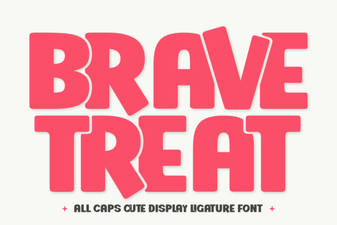 Brave Treat Font: Creative Typeface Design & Inspiration
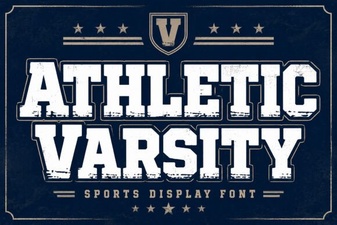 Varsity Font Designs & Creative Sports Lettering
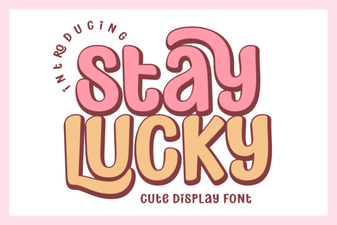 Stay Lucky Font: Creative Design Inspiration
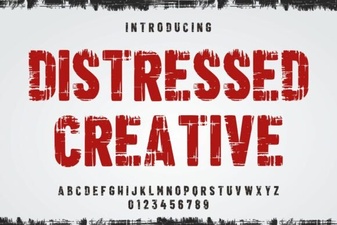 Distressed Fonts: Creative Designs & Typography Ideas
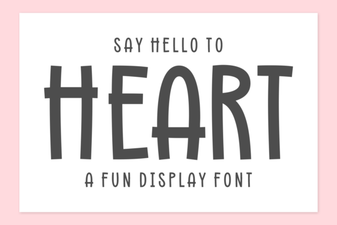 Heart Font Design: Creative Typography Projects
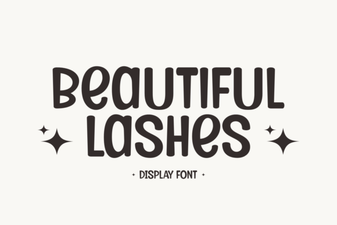 Beautiful Lash Font Design Styles & Examples