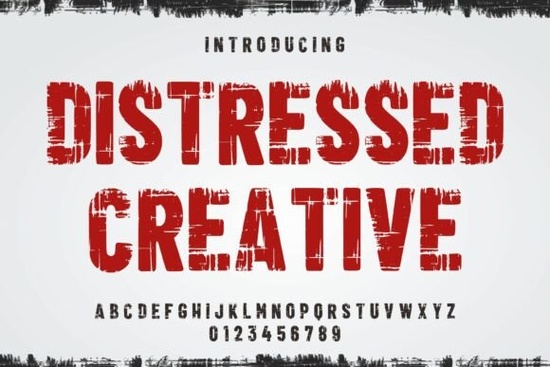
If you're looking for a bold, weathered typeface that adds instant character to posters, t-shirts, or social media graphics, the Distressed Creative Font is worth your attention. It’s not just another grunge font it’s built with intentional texture and irregularity, mimicking the look of ink stamped onto concrete, metal, or aged cardboard. That “stamped-on” feel comes through in every uppercase and lowercase glyph, with subtle cracks, uneven edges, and organic inconsistencies that digital perfection can’t replicate. Designers who work with vintage apparel brands, indie music promotions, or urban-themed print-on-demand shops often find it fits right in without needing extra layering or effects.
When does Distressed Creative work best?
This font shines where authenticity and attitude matter more than polish. Think band flyers plastered on brick walls, limited-run merch labels, café chalkboard menus with a gritty twist, or Instagram story headers for a streetwear drop. It’s not ideal for body text or long paragraphs its strength is in short, high-impact phrases: “NOISE,” “REBEL,” “1987,” or even just a single word like “RAW.” Because it’s a display font, legibility at small sizes drops off quickly, so keep it large and centered.
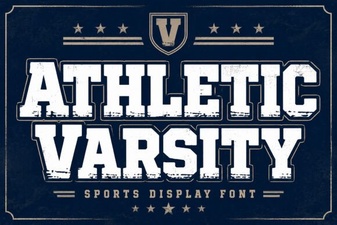
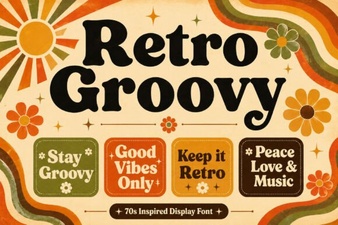
You’ll get the most out of it when pairing it with complementary elements: bold photography (especially shots with visible grain or motion blur), scanned paper textures, or halftone overlays. Avoid pairing it with ultra-sleek sans-serifs unless you’re going for deliberate contrast instead, try it alongside other tactile-feeling fonts like Retro Groovy for a 70s-inspired poster, or Athletic Varsity if you’re designing a retro sports collection.
How does it compare to similar distressed fonts?
Not all grunge fonts are created equal. Some rely too heavily on noise filters or overdone splatters, which can look dated or unbalanced. Distressed Creative avoids that by building texture directly into the letterforms not as an afterthought, but as part of the design. The spacing feels intentional, the weight distribution holds up at scale, and the lowercase characters retain personality without sacrificing readability.
For example, if you’ve used Heart Font for romantic or handmade projects, you’ll notice how differently Distressed Creative behaves it’s less about warmth and more about presence. And while Brave Treat leans into playful energy, Distressed Creative stays grounded, almost architectural in its roughness. It’s closer in spirit to real-world industrial signage than to digital reinterpretations.
Practical tips for using it well
- Stick to one weight: It’s a single-weight display font no light or bold variants so avoid trying to fake hierarchy with size alone. Instead, use color contrast (e.g., burnt orange on charcoal) or background texture to guide the eye.
- Test print first: On fabric or kraft paper, fine details may soften. If you’re screen-printing or heat-pressing, check how edge texture translates at your intended size sometimes simplifying the phrase helps more than shrinking the font.
- Don’t over-layer: Since the font already carries visual weight, adding heavy shadows or bevels can muddy the effect. Try a subtle offset or no effect at all.
- Use real context: Before finalizing, place it over a photo of your actual product mockup not just a white background. You’ll spot balance issues faster.
One thing to keep in mind: this isn’t a “set-and-forget” font. It asks for thoughtful placement. That’s why it works so well for creators who care about tone and craft not just speed. If you’re building a brand identity around honesty, history, or hands-on making, Distressed Creative supports that message visually, without saying a word.
For deeper inspiration, explore how other designers use similar aesthetics like the hand-stamped typography seen in independent zines or analog music packaging. You can also see real-world examples of this style by checking out Distressed Creative font in action across Creative Fabrica projects.
Before you download, ask yourself:
- Is my headline short enough to let the texture breathe?
- Does my background add to or fight against the font’s ruggedness?
- Have I tested it at the actual size I’ll use on product mockups?
- Am I using it to reinforce a mood (urban, vintage, rebellious), not just fill space?
If you answered “yes” to most of those, Distressed Creative Font is likely a solid fit for your next project.
Get Started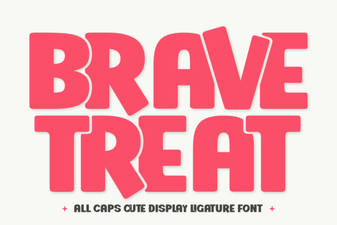 Brave Treat Font: Creative Typeface Design & Inspiration
 Varsity Font Designs & Creative Sports Lettering
 Groovy Retro Fonts for Modern Design Projects
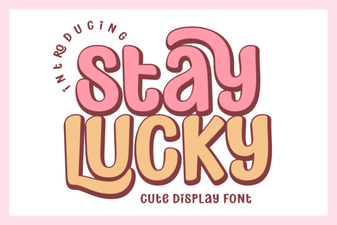 Stay Lucky Font: Creative Design Inspiration
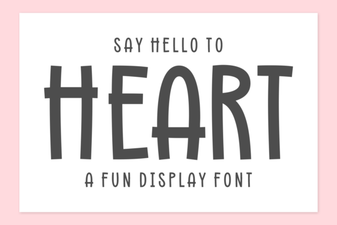 Heart Font Design: Creative Typography Projects
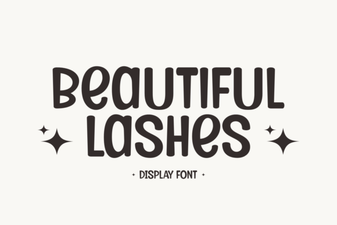 Beautiful Lash Font Design Styles & Examples