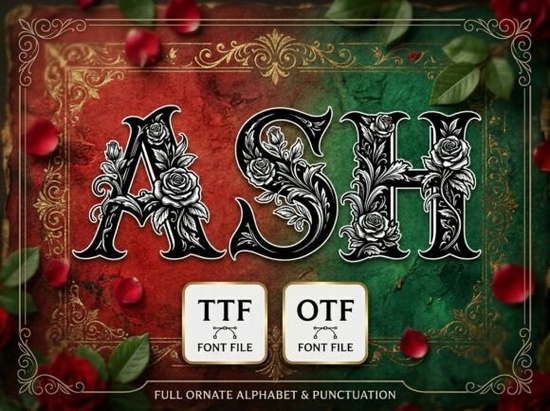
If you're looking for a decorative font that brings Victorian elegance and botanical detail to luxury branding or print-on-demand projects, Ash Font is worth your attention. It’s not just another ornamental typeface it’s built with intention: bold serif letterforms wrapped in hand-etched roses, delicate vines, and layered foliage. That means each character carries texture, history, and quiet sophistication ideal for clients or personal projects where mood and materiality matter as much as legibility.
When does Ash Font work best?
Ash shines where visual storytelling meets craftsmanship. Think of it as a design partner not a background element. You’ll see it used most effectively on:
- Luxury spirit labels (small-batch gin, aged rum, or artisanal vermouth)
- Boutique bridal stationery especially foil-stamped invitations or wax-sealed envelopes
- Perfume packaging with a “dark romance” or apothecary-inspired aesthetic
- Social media headers for curated accounts focused on gothic literature, vintage botany, or slow-living aesthetics
It’s not meant for body text or long paragraphs. But as a headline, monogram, or focal wordmark? It adds instant gravitas and warmth.
How does it compare to other decorative fonts?
Unlike many floral fonts that lean overly sweet or cartoonish, Ash balances ornamentation with structure. Its underlying serif skeleton keeps it grounded no wobbly stems or inconsistent weight shifts. That makes it more versatile than it first appears. For example, if you’ve tried Cute Blink Font for playful greeting cards but need something richer for a wedding suite, Ash offers that next-level refinement without sacrificing readability at larger sizes.
Similarly, if you often reach for bold, graphic options like Checkered Varsity Font for sporty or retro branding, Ash gives you an elegant counterpart for when the brief calls for heritage, intimacy, or quiet luxury instead of energy and motion.
What do designers actually use it for?
We’ve seen real-world uses from Creative Fabrica users that reflect thoughtful application not just decoration for decoration’s sake. One small-batch candle maker used Ash for her “Midnight Rose” scent label, pairing it with matte black kraft paper and gold foil stamping. A freelance calligrapher layered Ash behind hand-lettered vows in a digital invitation suite, using the font’s vine motifs to echo the couple’s garden wedding venue. And a POD seller testing premium wall art prints found Ash performed especially well in minimalist frames its details hold up even at 16” x 20” when printed on fine art paper.
It’s also compatible with common design tools (OTF, TTF, WOFF) and includes full Latin character sets, basic punctuation, and ligatures so no surprises when you go to export or embed.
Is Ash Font beginner-friendly?
Yes if you’re comfortable adjusting tracking, scaling, and layering in your editor (like Canva, Affinity Designer, or Illustrator). Because of its density, it benefits from extra letter spacing and careful sizing. Try starting at 48–60pt for headers, then adjust based on your layout’s white space and surrounding elements. Avoid pairing it with other highly decorative fonts; a clean sans-serif (like Montserrat Light or Lato Regular) works beautifully as a supporting voice.
You’ll also want to preview how the floral elements render at smaller sizes. On screens under 24pt, some fine vine strokes may blur or disappear so reserve Ash for display use only, not UI text or mobile buttons.
Where can you find similar fonts?
If you enjoy Ash’s romantic-heritage vibe, you might also appreciate Bloomwood Serif for softer botanical accents, or Victoriana Script if you need handwritten elegance with period-appropriate flourishes. All three sit comfortably in the decorative fonts category but each serves a different emotional tone and production need.
Before you download Ash Font, ask yourself: Does this support the feeling I want the viewer to feel not just what I want them to read? If the answer is yes, and you’re working on a project where craft, mood, and subtle storytelling matter, it’s likely a solid fit. You can explore it directly here: Ash Font.
Quick checklist before using Ash Font:
- ✅ Use only for headlines, logos, or short phrases not body copy
- ✅ Pair with generous letter spacing (start at 50–100 tracking units)
- ✅ Test print or screen preview at your final size especially below 36pt
- ✅ Combine with neutral, low-contrast colors (ivory, charcoal, deep plum) to let the details breathe
- ✅ Avoid stacking multiple decorative fonts let Ash be the standout
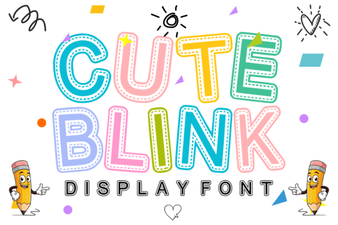 Playful Blink Fonts for Creative Projects
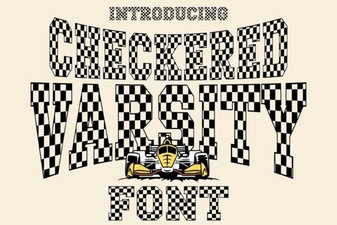 Unlock Creative Designs with Checkered Varsity Font
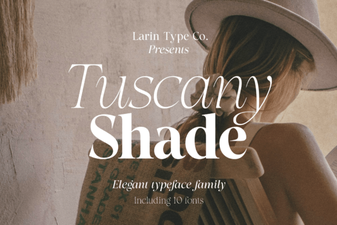 Creative Design Projects with Tuscany Shade Font
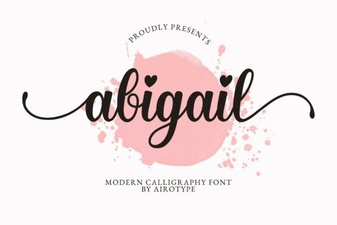 The Abigail Font: Elegant Typography for Modern Design
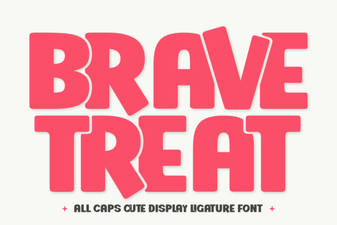 Brave Treat Font: Creative Typeface Design & Inspiration
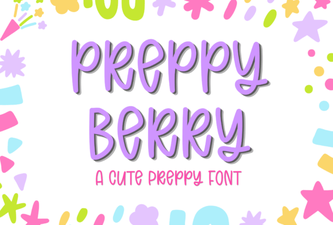 Preppy Berry Font for Web Projects & Design